What to Know About Arcadia Phoenix Ranch Homes
March 24, 2026
March 24, 2026
Picture a lush, tree‑canopied street where citrus trees scent the air and low‑slung ranch homes open to deep backyards built for easy indoor‑outdoor living. If that sounds surprising for Phoenix, you are picturing Arcadia in 85018. Whether you are relocating or trading up locally, understanding Arcadia’s architecture, irrigated lots and everyday lifestyle helps you buy with confidence. In this guide, you will learn what defines Arcadia ranch homes, how irrigation works, what to expect from lot sizes, and how nearby trails and dining shape daily life. Let’s dive in.
Arcadia covers a prime stretch of Phoenix at the base of Camelback Mountain. Conventional boundaries run from Camelback Road on the north to the Arizona Canal on the south and roughly 44th Street to Scottsdale Road on the east. The neighborhood identity is partly market‑based and often divided into Arcadia Proper, Lower Arcadia and the informal Arcadia Lite, so you will see slight boundary variations in local materials. Most of Arcadia sits in Phoenix ZIP 85018, though some blocks extend into Scottsdale’s 85251, which you can confirm with this helpful ZIP overview.
Arcadia’s roots go back to 1919, when developers promoted irrigated rural estate lots and citrus groves served by neighborhood‑scale water delivery. That history still shapes what you see today, from mature shade to wider setbacks and a calm, residential feel. The City of Phoenix has documented this evolution in its Arcadia historic survey, which also explains why ranch architecture dominates local streetscapes.
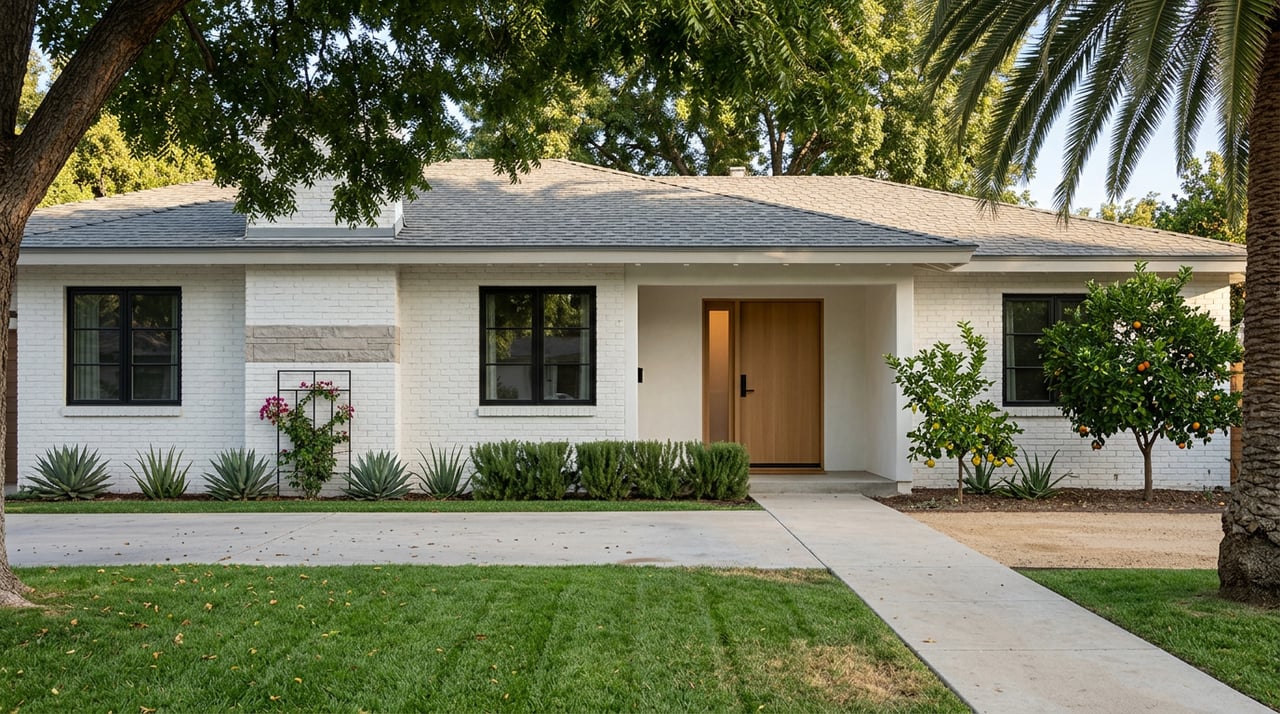
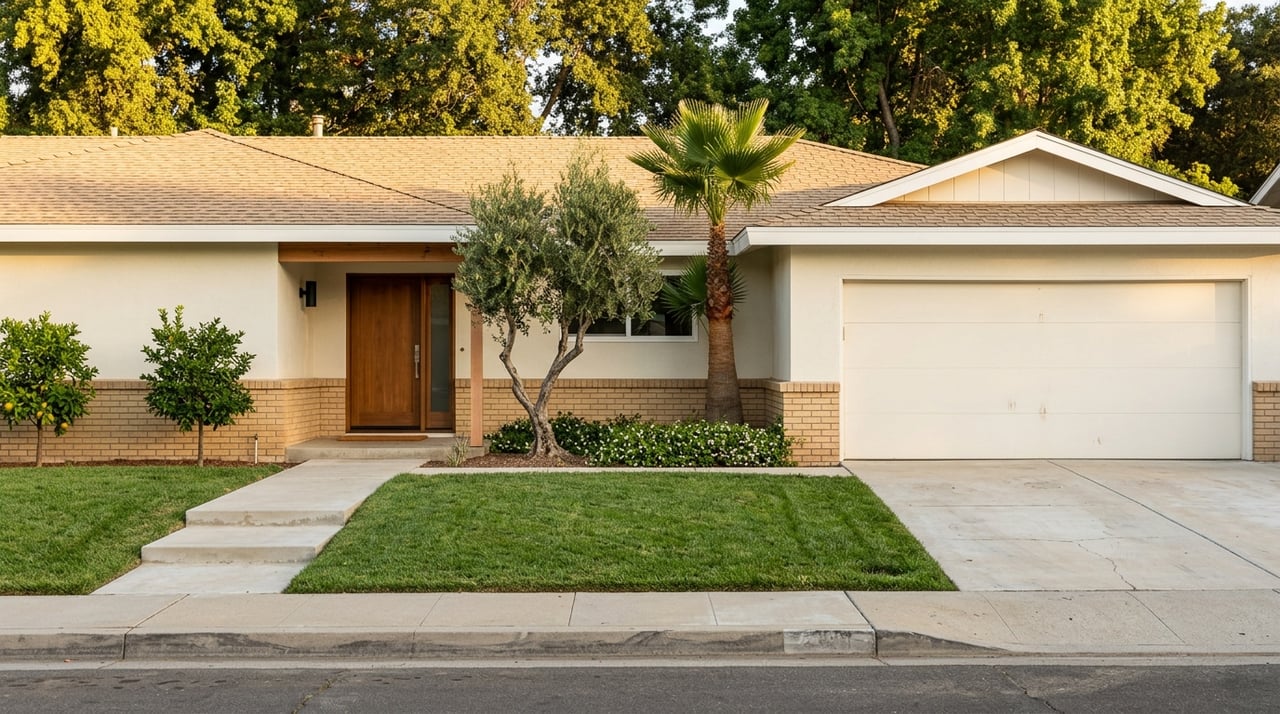
Arcadia’s core housing stock is post‑WWII ranch. Expect single‑story or low‑profile homes with horizontal lines, broad eaves and simple plans that connect living spaces to patios and backyards. Common materials include stucco, concrete block, brick and wood trim. These houses were designed for a desert suburban lifestyle, often oriented to shade and breezes, as outlined in the city’s historic survey of Arcadia.
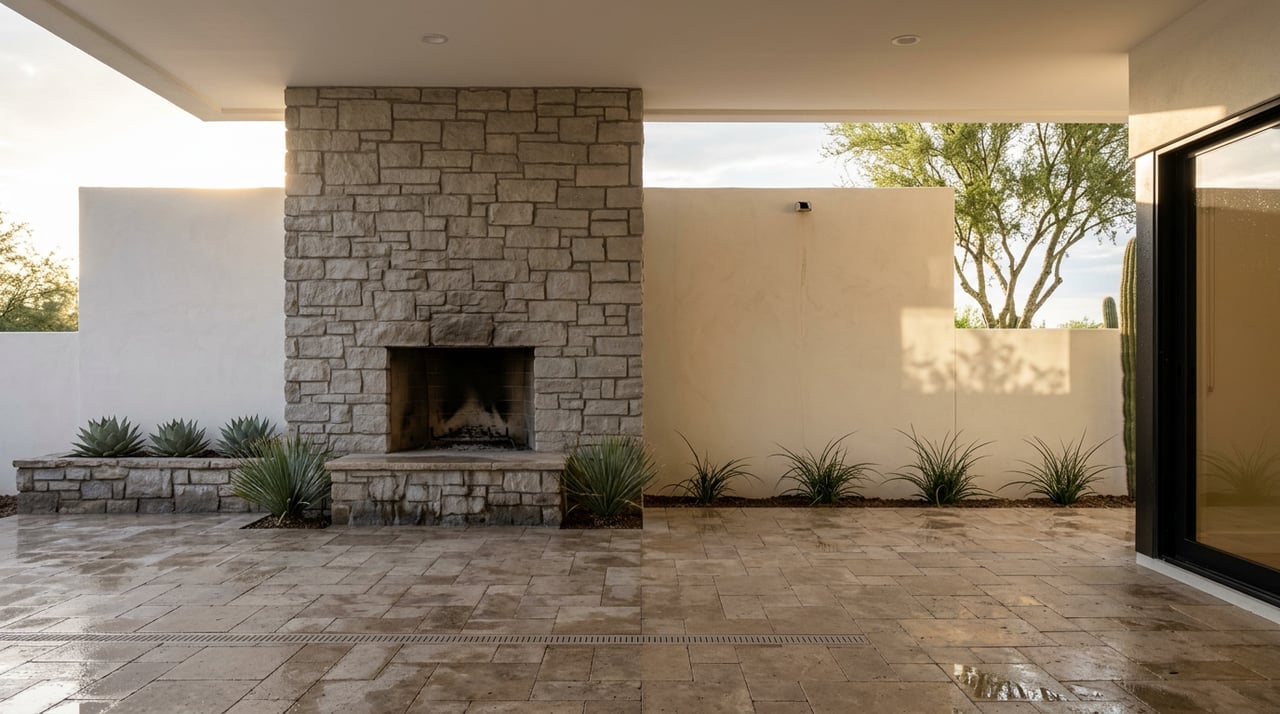
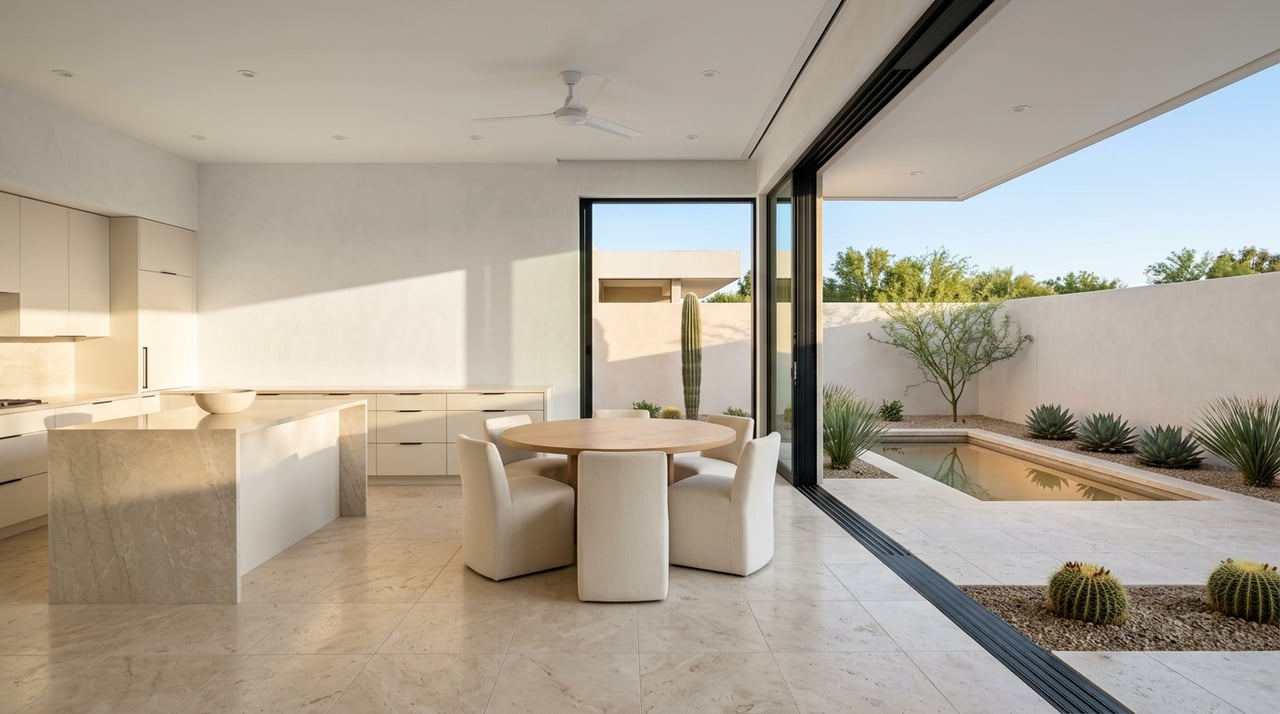
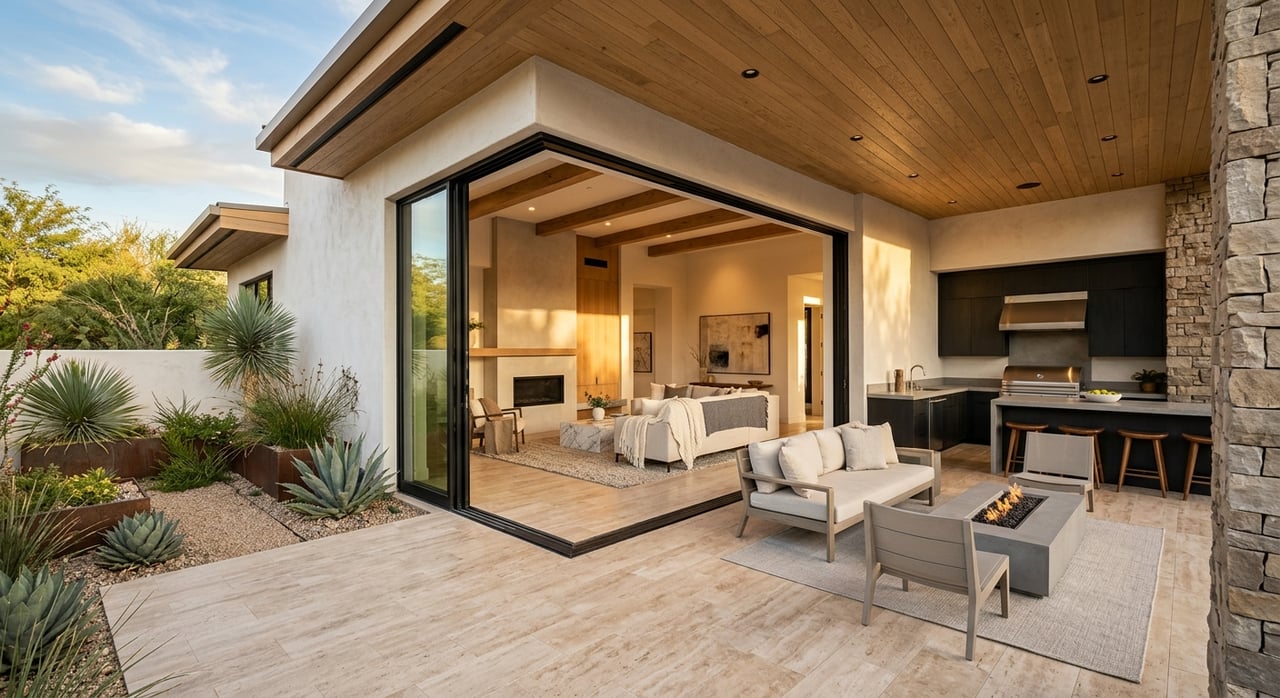
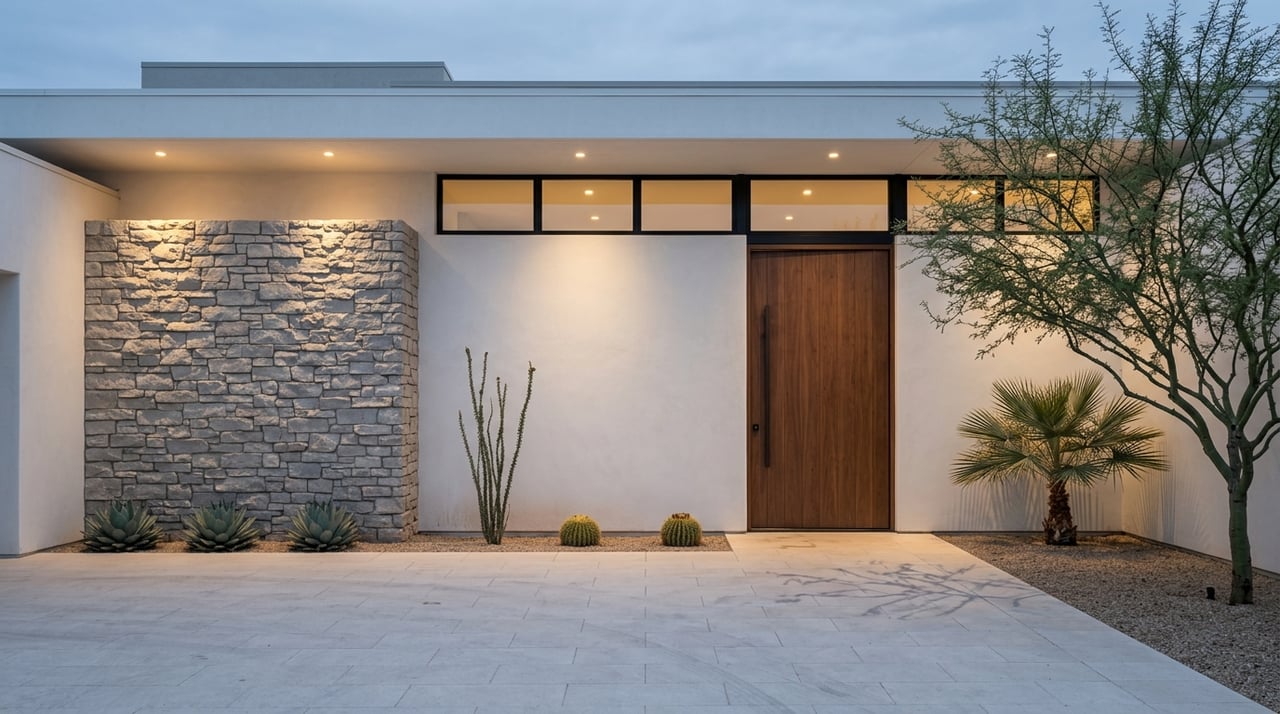
Many owners have updated mid‑century bones with larger windows, clean lines and modern finishes while respecting the original scale. You will see renovations that expand indoor‑outdoor flow with bigger openings to covered patios and pool terraces. Architects have documented these refreshes across Arcadia, reflecting a strong preservation‑plus‑upgrade mindset, as seen in local project galleries like Dsydnor Architects’ work.
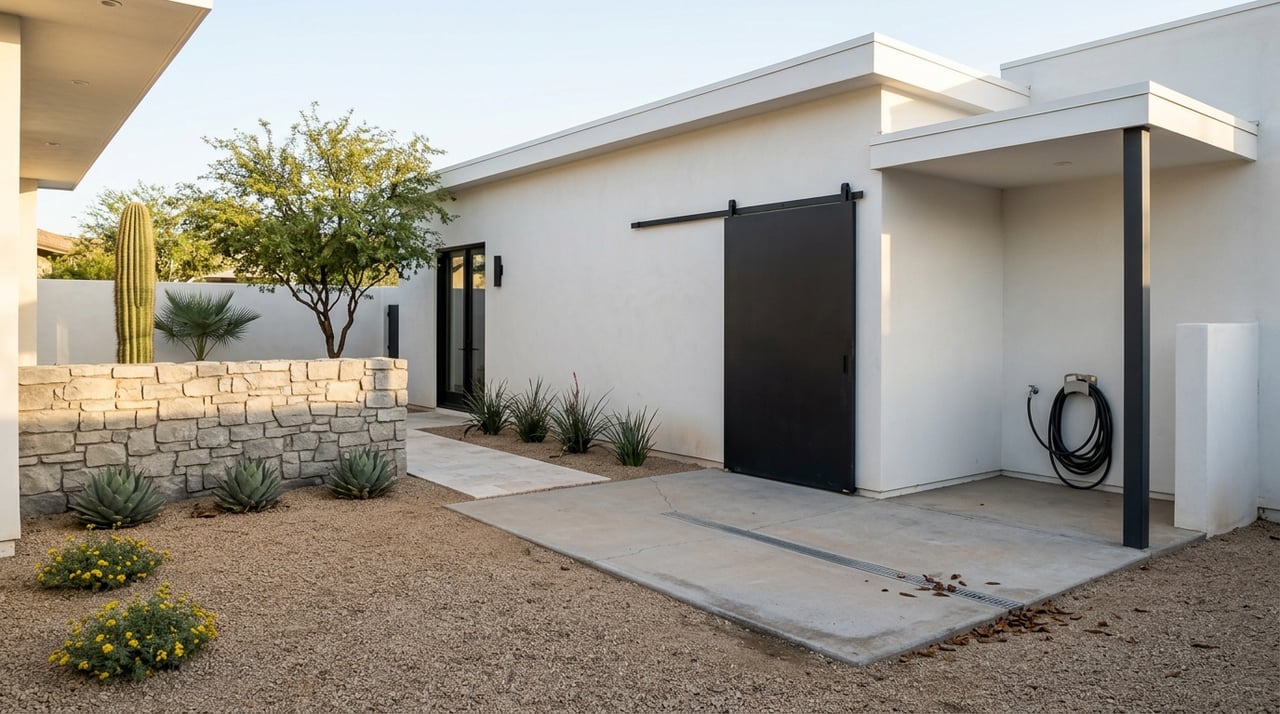
In recent years, some properties have been reimagined as modern farmhouse or transitional homes. Think light cladding, gable accents and open great‑room plans balanced with desert‑appropriate features like deep overhangs, stucco exteriors, reflective roofs and high‑performance glazing. These newer builds tend to maintain the neighborhood’s low, horizontal emphasis and mature landscaping, which keeps the streetscape cohesive.
Arcadia began as small orchard estates, and while many parcels were subdivided, you still find a wide range of lot sizes today. Arcadia Proper often features deeper yards, with many quarter‑ to half‑acre lots and some larger estates, while nearby pockets have more typical suburban dimensions. Always verify parcel size by address, since the mix varies block by block. The City’s Arcadia overview provides historical context for this pattern.
Irrigation is part of Arcadia’s identity. The Arcadia Water Company (AWC), formed in 1919, brought water from the Arizona Canal into the tract via pumping plants and roughly 15 miles of buried concrete pipe by the mid‑1920s, according to the city’s historic documentation. Many properties still receive periodic irrigation deliveries that keep lawns, citrus and shade trees thriving.
If you are buying, confirm whether a property is an AWC member, the delivery schedule, and any dues or fees. Also check your title package for recorded irrigation easements and any shared‑line obligations. The Arcadia Water Company outlines membership requirements and neighborhood delivery details.
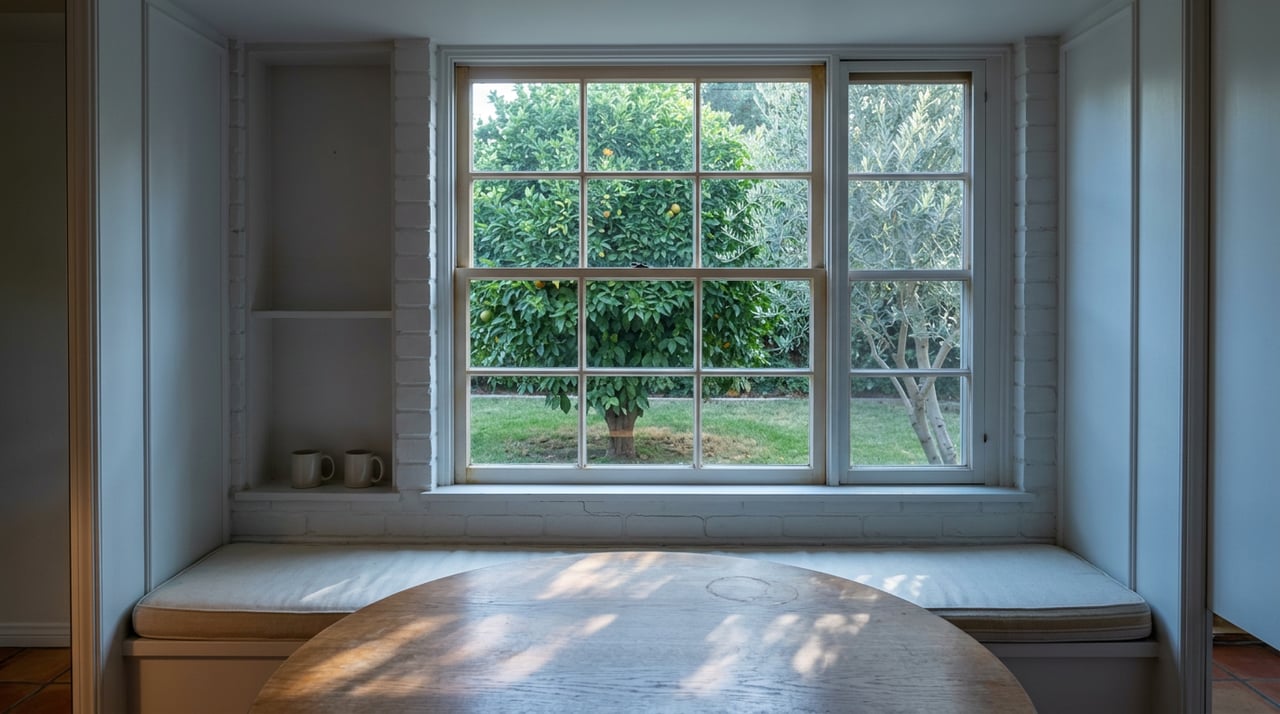
Orange, lemon and grapefruit trees are common in front and backyards and remain a visible tie to the area’s grove history. With hotter summers, older citrus may require thoughtful irrigation and occasional replacement or management. Local gleaning programs and residents still harvest backyard fruit, a practical and cultural detail noted in regional coverage of Arizona’s citrus heritage and community efforts to use surplus fruit, such as this overview of citrus in Arizona.
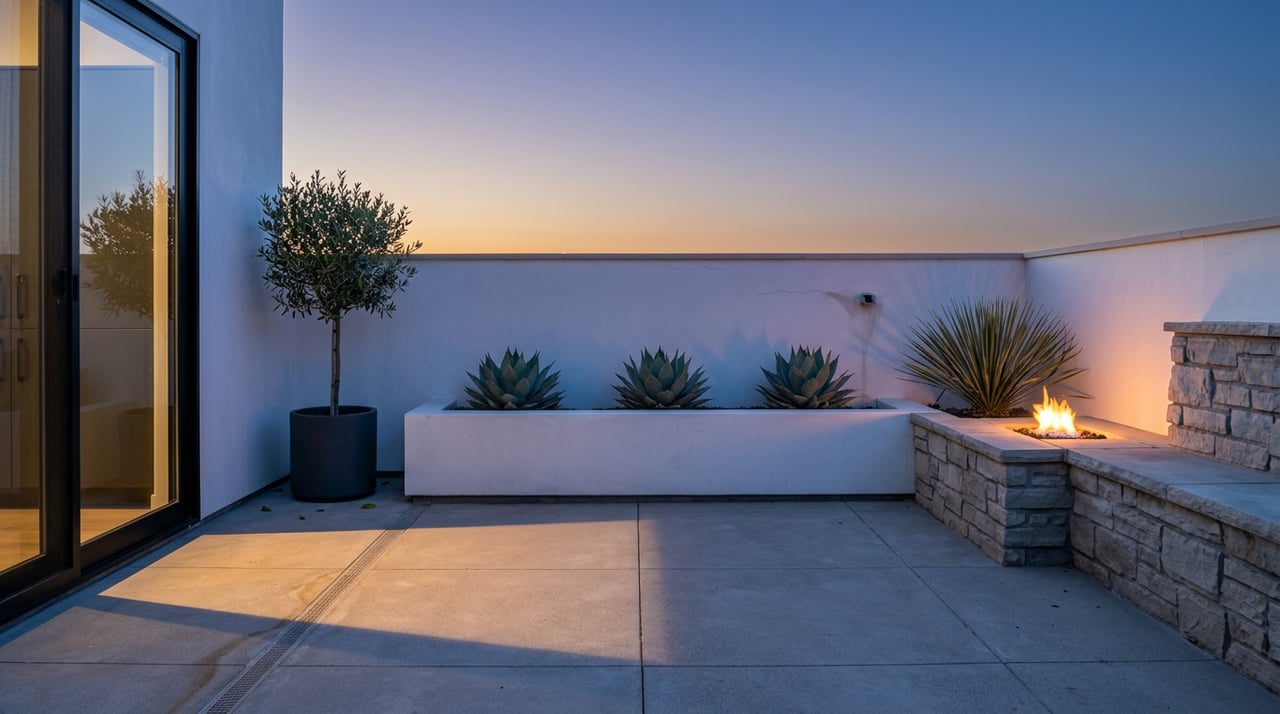
Arcadia backyards are built for gathering. You will often find pools and spas, shaded patios with misters or fans, outdoor kitchens and pergolas. Deeper lots and mature trees make it easier to enjoy outdoor rooms throughout the year, especially in shoulder seasons when the desert is most comfortable. The result is a lifestyle that flows naturally from kitchen to patio to pool.
Living in Arcadia puts you at the south foot of Camelback Mountain with quick access to the Echo Canyon and Cholla trailheads. The Arizona Canal path is popular for walking, running and biking, and provides a pleasant, level route through the city. A casual dining corridor near 40th–44th and Camelback offers neighborhood staples like La Grande Orange, Postino and The Henry. For a feel of the local scene, explore this Arcadia neighborhood guide from Visit Phoenix.
To preserve neighborhood character, the City adopted the Arcadia Camelback Special Planning District in 1999. The overlay guides land uses, building heights and other elements that shape the area’s residential scale and streetscape. If you are considering an addition or rebuild, review the Special Planning District standards and coordinate with City Planning early in your process.
Buyers and remodelers should also note local expectations around rooflines, canopy and massing. Many residents value single‑story profiles, mature trees and generous setbacks. Engaging qualified design professionals at the start helps you align your plans with neighborhood patterns.
Arcadia’s green landscape sits within the broader context of regional water management. The Phoenix metro relies on multiple sources, including the Colorado River via the Central Arizona Project. Long‑term planning and conservation are a priority throughout the region, as outlined by the Bureau of Reclamation’s program and planning materials.
On the ground, you can offset water use by upgrading to smart irrigation controllers, improving distribution, selecting appropriate turf or plantings, and optimizing shade to reduce heat gain. Phoenix Water Services maintains current information on conservation programs, rebates and permitting for landscape changes, which you can review on the city’s water services page.
Ready to explore Arcadia’s ranch homes, irrigated lots and easy outdoor flow in person? For discreet guidance and a tailored search that aligns architecture, parcel characteristics and lifestyle, connect with Allison Cahill. Schedule a confidential consultation.
Detail-oriented, Cahill has a passion for studying the market and educating clients about current conditions, inventory and trends. “I take my time with each client and listen to what they want,” she says. “My sellers like that I truly market their properties on all social media platforms and print publications, with the use of not only photography, but also video, drone and 3D-style tours of their homes.”