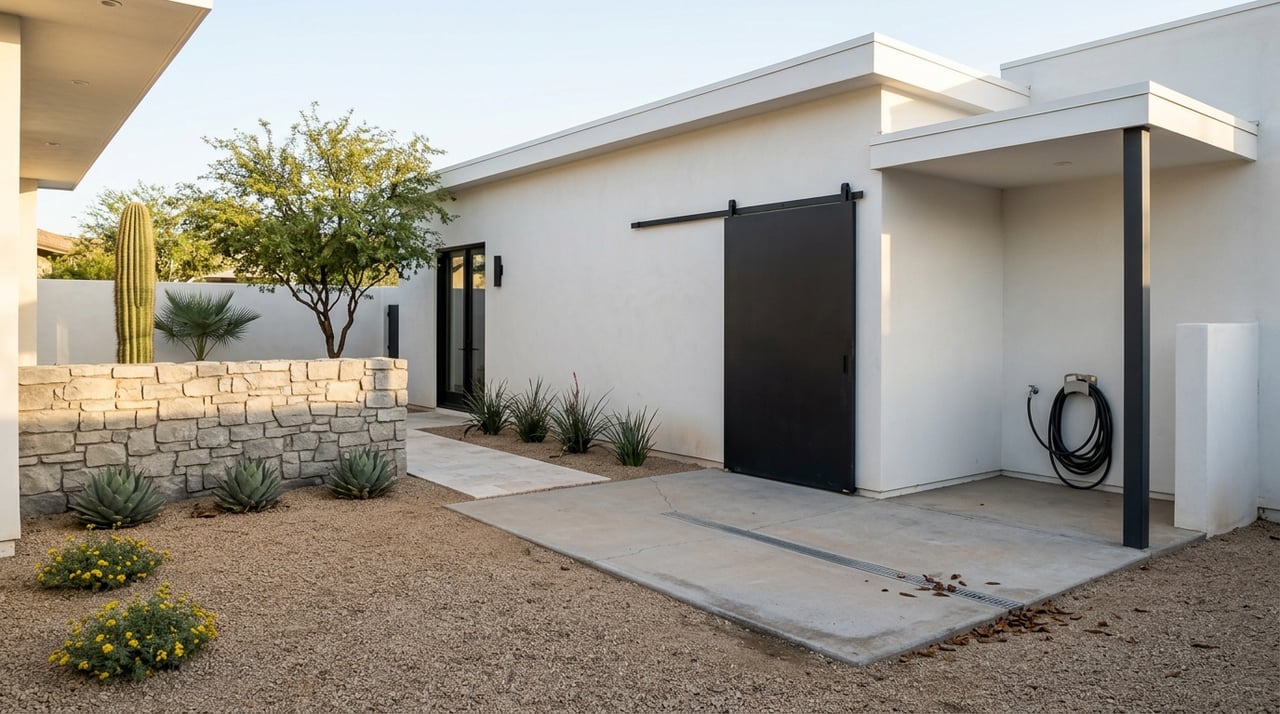
Cave Creek Luxury Living For Outdoor And Equestrian Lifestyles
July 16, 2026
July 16, 2026
Looking for luxury that feels more connected to land, trails, and open sky than to traffic and packed retail corridors? In Cave Creek, that lifestyle is a big part of the draw. If you want room to breathe, space for horses, and direct access to desert recreation, this guide will help you understand what makes Cave Creek distinct and what to verify before you buy. Let’s dive in.
Cave Creek offers a very different luxury experience from nearby markets. The town was founded in 1870 and incorporated in 1986, and its official profile points to a small-scale Western community with mining and ranching roots, boutique shopping, art galleries, restaurants, and nightlife.
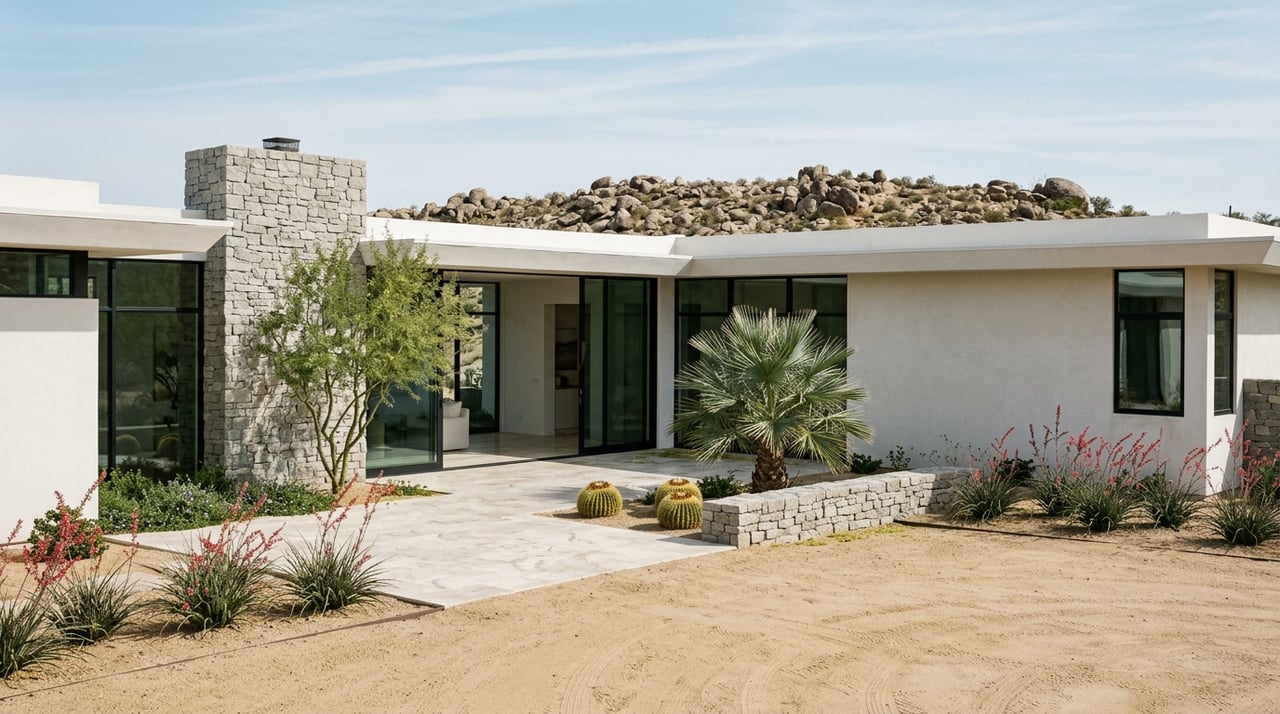
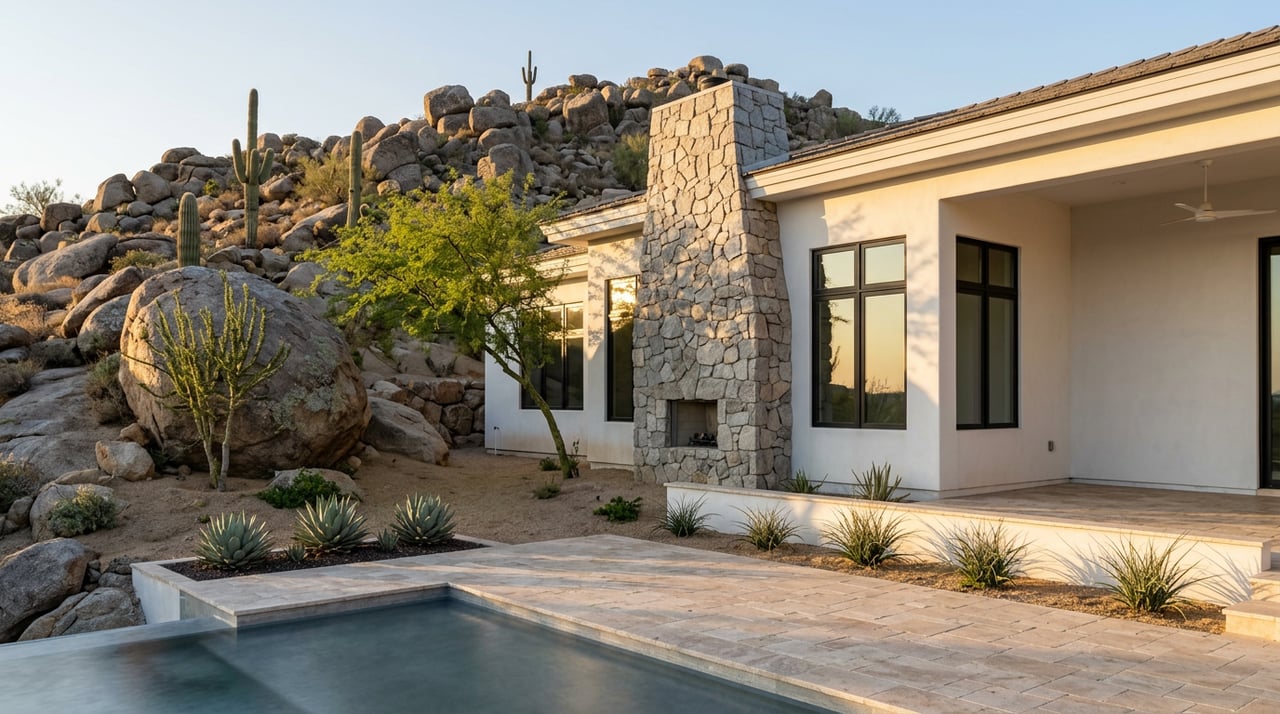
What matters most for many buyers is the setting. Cave Creek describes itself as a rural desert community with open space and low-density residential development. That means the value here often comes from privacy, scenery, and usable land, not just square footage inside the home.
The town’s estimated 2025 population is 5,238 across 37.91 square miles, with elevations ranging from 1,804 to 3,924 feet. That combination helps create the slower pace and wide-open feel that many luxury buyers want when they are prioritizing lifestyle over convenience-driven density.
In Cave Creek, outdoor access is not just a weekend perk. It is part of how many people experience the area every day. The town maintains multi-use trails that connect neighborhoods to Cave Creek Regional Park, Spur Cross Ranch Conservation Area, the Tonto National Forest, and Desert Foothills Land Trust properties.
These trails are open to hikers, cyclists, and horseback riders, and the town notes that horses have the right-of-way on trails. For buyers who want an equestrian-friendly setting, that detail says a lot about how closely the community identity is tied to horseback use and trail culture.
Another important point for buyers is that many properties abut or are crossed by trails. That can be a major advantage if direct access matters to you, but it is also something to confirm early when comparing lots, privacy, and day-to-day use.
Maricopa County describes Cave Creek Regional Park as a 2,922-acre desert park with more than 11 miles of shared-use trails. The park also includes a horse staging area and guided horseback rides.
Trail difficulty ranges from easy to difficult. That gives the area broad appeal, whether you enjoy relaxed walks, longer rides, or more challenging desert terrain.
Spur Cross Ranch Conservation Area adds another major recreational asset. According to the town, the conservation area spans 2,154 acres and includes eight trails for hiking, biking, and horseback riding, plus a segment of the Maricopa Trail.
For equestrian-minded buyers, this adds depth to the lifestyle story. You are not relying on a single park or trailhead. Instead, you are buying into a broader outdoor network that supports riding, exploring, and spending time in the desert landscape.
If your goal is to keep horses on your property, zoning is one of the first things to review. Cave Creek states that in many residential areas zoned Desert Rural, ranching and the possession of horses or other livestock are allowed on at least two contiguous acres.
That does not mean every property will fit your plans in the same way. Lot size, zoning district, improvements, and access all matter, so it is smart to confirm those details before you move too far into a purchase.
The town’s residential ordinance also references features that support horse use in Desert Rural zones, including corrals, barns, horse shades, and detached accessory living quarters. For many buyers, that is what luxury looks like in Cave Creek: land that is functional, flexible, and designed for the way you actually want to live.
Cave Creek’s zoning ordinance lists Desert Rural minimum lot sizes of:
The ordinance also caps building heights at 25 feet in these zones. Those rules help preserve the lower-density character that many buyers find appealing.
In some luxury markets, the main selling points are polished amenities and dense retail access. In Cave Creek, the appeal is often more grounded in acreage, privacy, trail connectivity, and improvements that support desert and equestrian living.
That could mean a parcel with room for horses, a setup with barn or corral potential, or a home where the value is tied as much to the surrounding land as to the interior finish level. If you are comparing Cave Creek to nearby high-end areas, it helps to think beyond traditional suburban luxury checklists.
Cave Creek also places value on its night environment. The town emphasizes dark-sky protections and requires shielded outdoor fixtures while prohibiting dusk-to-dawn lighting.
For buyers, this matters more than it may seem at first glance. It supports quieter evenings, better stargazing conditions, and a more rustic desert atmosphere than you might find in more built-up luxury districts nearby.
The lifestyle is compelling, but Cave Creek ownership can come with practical differences that are important to understand upfront. The town advises prospective property owners that sewer service is not available to all areas, water rates may be higher, some properties rely on well permits, roads are often rural and private, and roads or washes can become impassable in extreme weather.
The town also states that it does not provide municipal trash collection. None of these points are necessarily drawbacks if you want a semi-rural setting, but they are factors that can affect convenience, costs, and long-term planning.
Before making an offer, it is wise to verify:
This is where a detail-oriented advisor can make a real difference. In a market like Cave Creek, early clarity helps you avoid surprises and focus on properties that truly fit your goals.
Buyers often compare Cave Creek with Scottsdale or Paradise Valley, but the lifestyle proposition is different. Scottsdale is much larger, with an official population of 243,050 and 184.5 square miles, and the city highlights Old Town’s 90-plus restaurants, 320 retail shops, and 80-plus art galleries, along with more than 60 miles of trails in the McDowell Sonoran Preserve.
Paradise Valley is smaller and also low-density, with a 2025 estimated population of 12,774 and 15.4 square miles. The town describes itself as a premier, largely residential community with luxurious homes.
Cave Creek stands apart because its luxury identity is more land-centered and trail-first. If Scottsdale offers a broader urban amenity base and Paradise Valley leans resort-residential, Cave Creek is the choice for buyers who want privacy, acreage, equestrian usability, and a Western desert setting that feels less polished and more rooted in open space.
Cave Creek may be a strong match if you want your property to support your lifestyle in a practical way. That can include horse ownership, trail access, larger lots, or a quieter setting where dark skies and desert views are part of everyday life.
It can also appeal if you are relocating from a denser luxury market and want something more spacious and grounded. The key is going in with a clear understanding of the tradeoffs, because the same features that create Cave Creek’s charm also make due diligence especially important.
If you are exploring Cave Creek as a buyer or considering how to position a high-end property in this niche market, working with an advisor who understands luxury property strategy, local nuance, and contract details can help you move with more confidence. To schedule a confidential consultation, connect with Allison Cahill.
Detail-oriented, Cahill has a passion for studying the market and educating clients about current conditions, inventory and trends. “I take my time with each client and listen to what they want,” she says. “My sellers like that I truly market their properties on all social media platforms and print publications, with the use of not only photography, but also video, drone and 3D-style tours of their homes.”