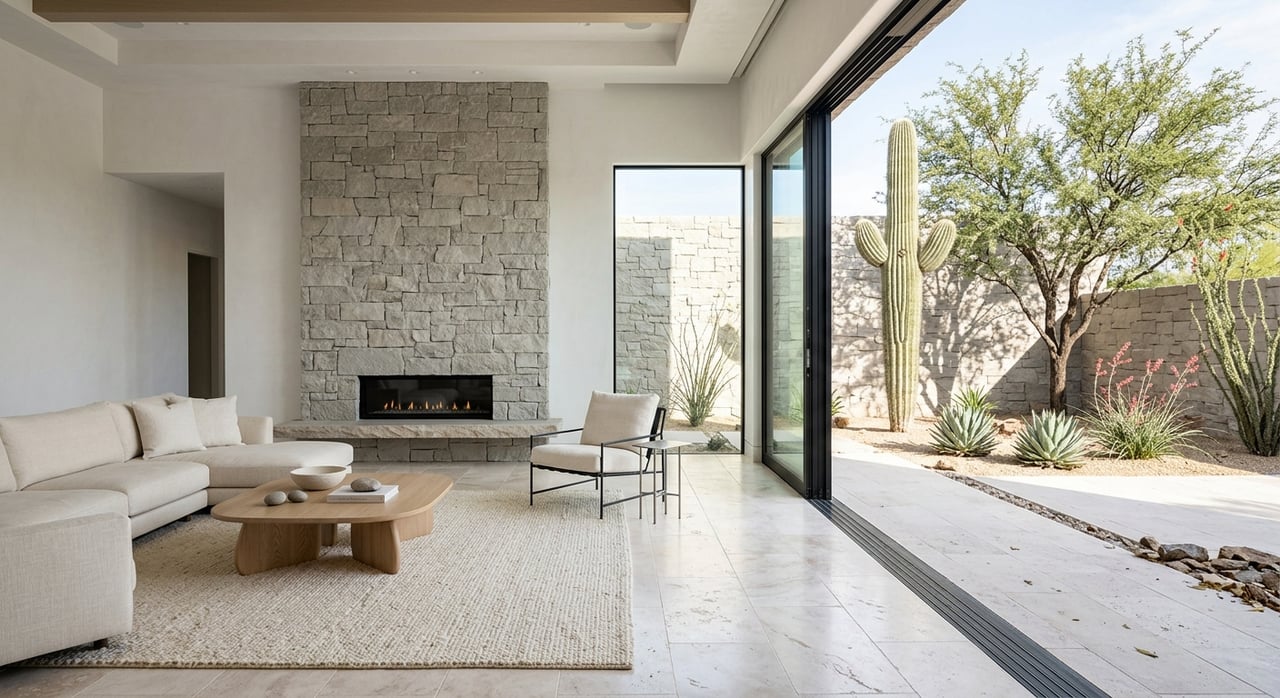
Paradise Valley Luxury Lifestyle: A Look at Quiet Desert Living
June 18, 2026
June 18, 2026
If you picture luxury living as a high-rise skyline, valet stands, and nonstop noise, Paradise Valley will likely surprise you. In 85253, luxury looks quieter, more spacious, and far more connected to the land around you. If you are curious about what daily life here actually feels like, this guide will show you why Paradise Valley stands apart. Let’s dive in.
One of the clearest things that defines Paradise Valley is its low-density residential character. The town describes itself as a premier, low-density residential community known for its protected Sonoran Desert setting, open space, mountain views, tranquility, and dark skies.
That matters because luxury here is not built around density or constant activity. Instead, it is shaped by breathing room, scenic roads, and a more secluded experience. You are not just buying a home. You are stepping into a setting designed to feel calm, polished, and intentionally preserved.
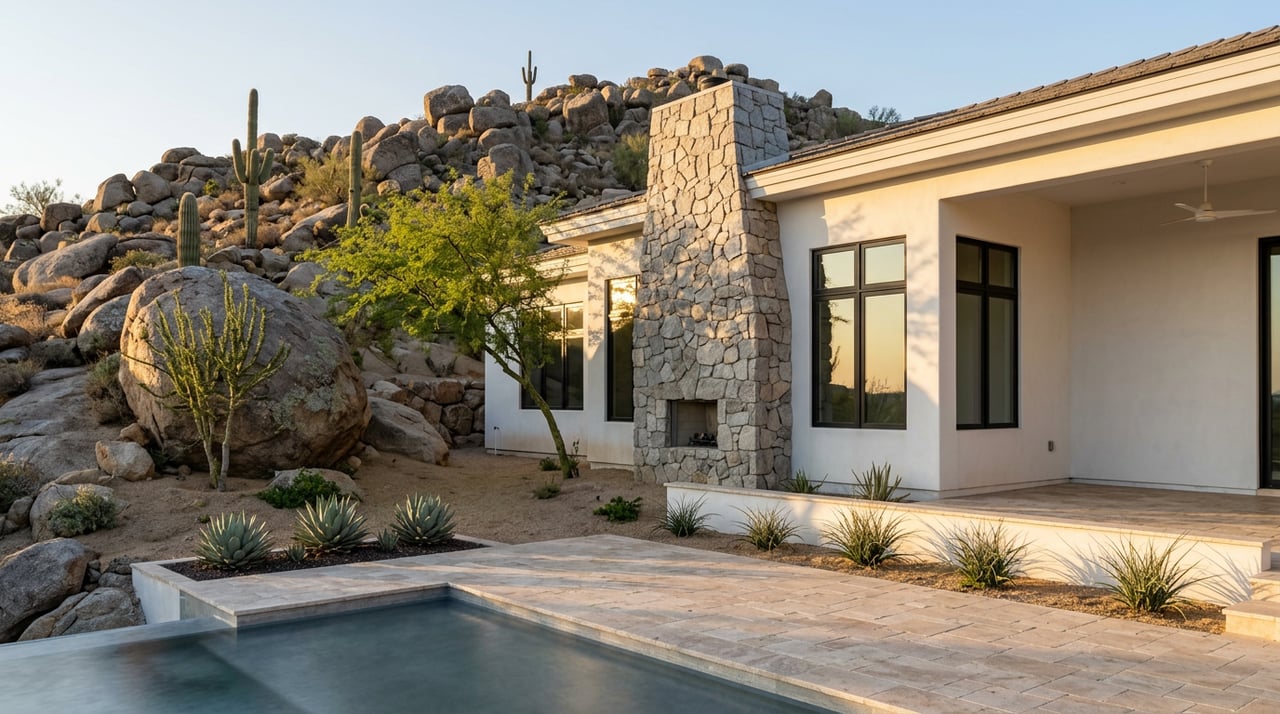
Paradise Valley sits among Camelback Mountain, Mummy Mountain, and the Phoenix Mountain Preserve. That natural backdrop gives many homes and neighborhoods a strong sense of place, with desert terrain and mountain views playing a central role in the experience of living here.
The town also describes its circulation pattern as slower-paced, curvilinear, and scenic. In practical terms, that means your drives often feel less like city commutes and more like a gentle transition through a residential desert landscape. For many buyers, that slower visual rhythm is part of the appeal.
Paradise Valley is predominantly single-family and low-density, with primarily acre residential lots noted in the town’s general plan. That lot pattern helps explain why the area feels so different from other luxury markets where homes may be impressive but packed closer together.
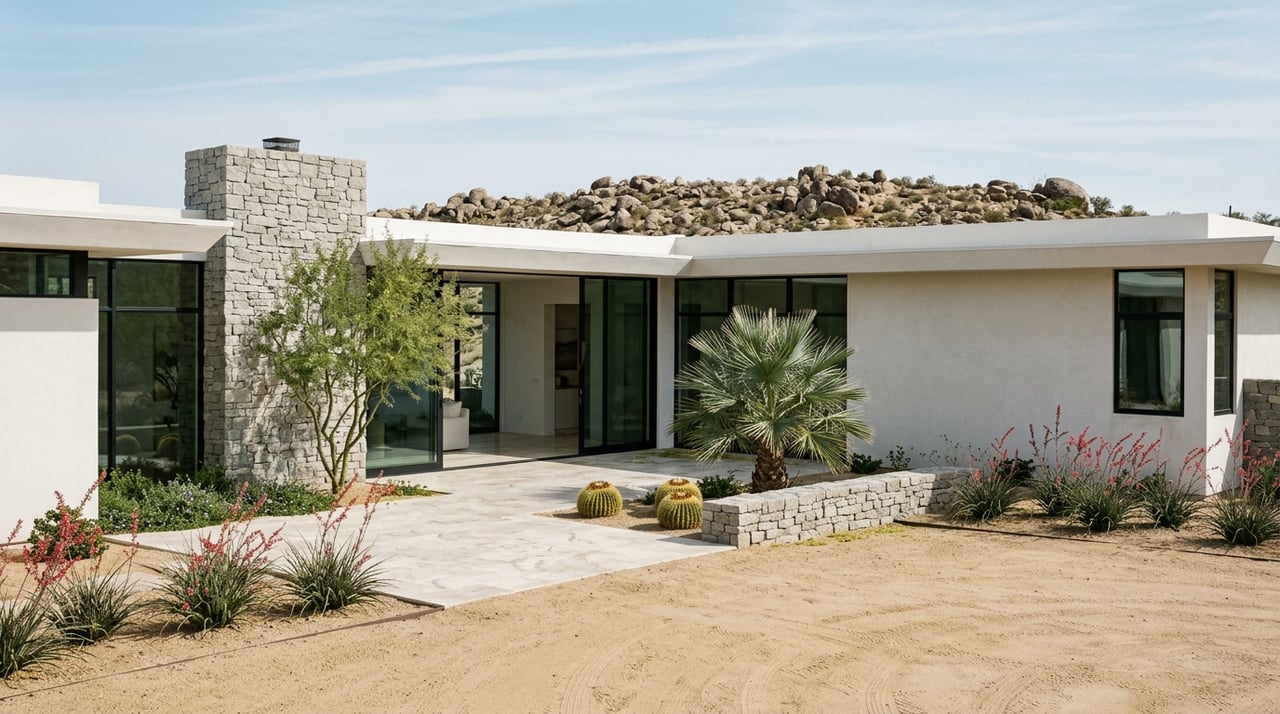
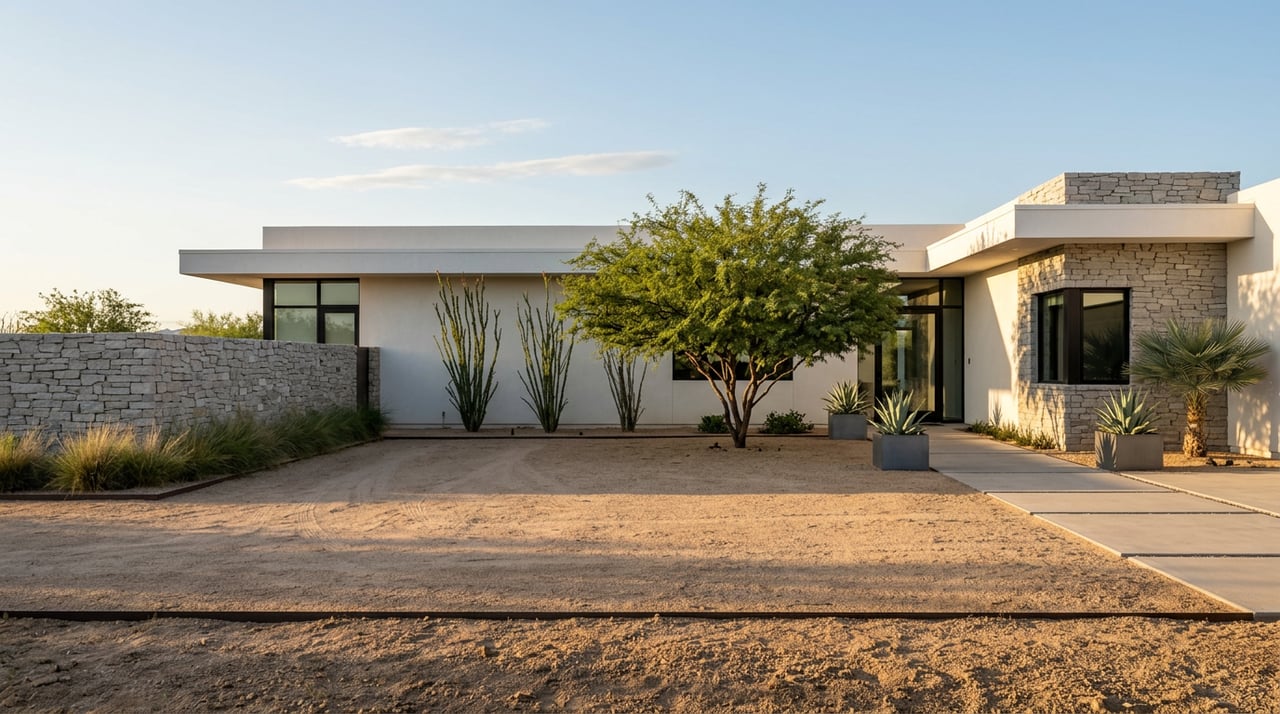
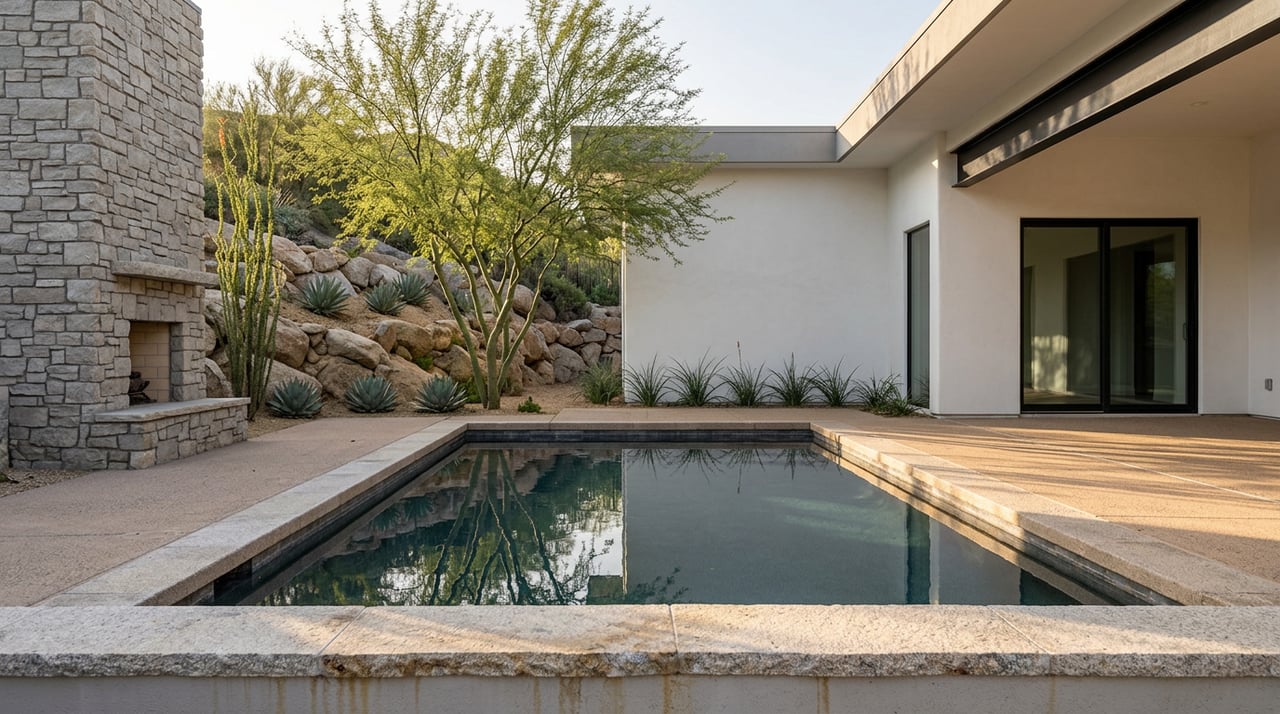
Here, estate-scale living is a major part of the identity. Homes often sit with more separation, more privacy, and more room to emphasize architecture, landscaping, outdoor living, and view corridors. The result is a market where the land itself is a meaningful part of the value.
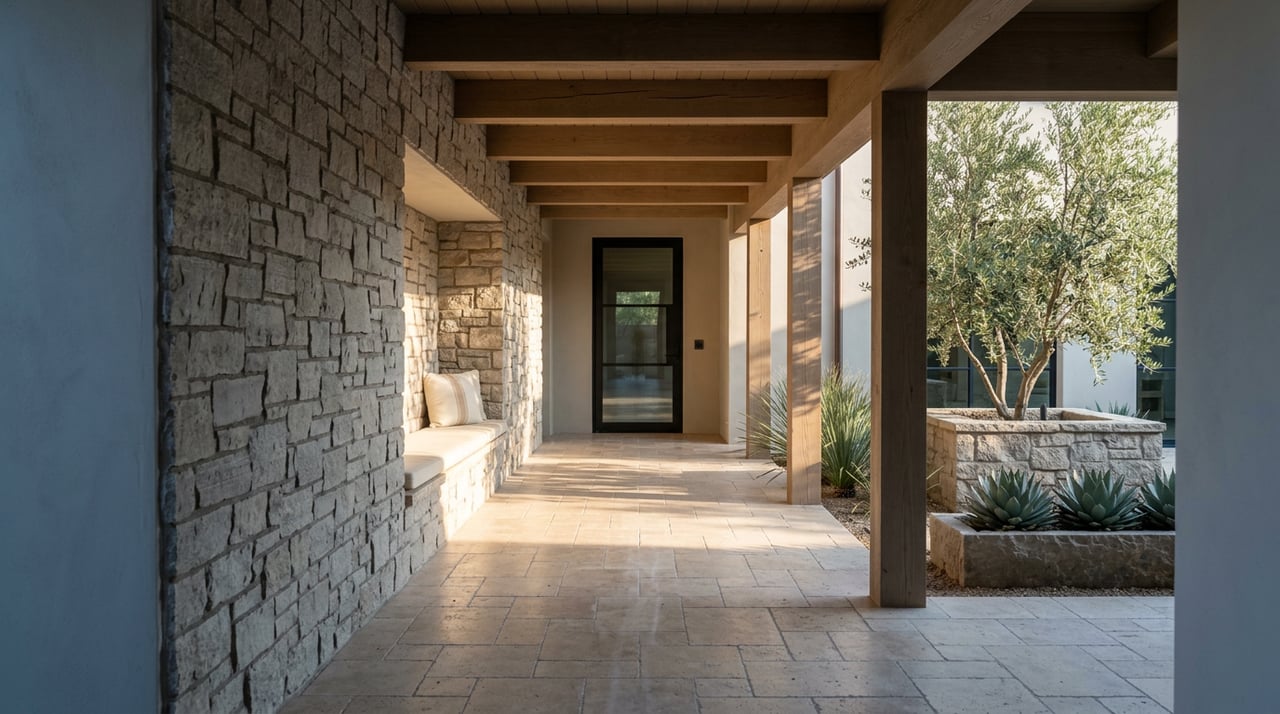
Luxury in Paradise Valley is also less about repetition and more about individuality. The town’s planning documents note that the community embraces a multitude of architectural styles, while design policies encourage site, landscape, and architectural choices that fit the desert setting, local context, and overall scale.
That gives the area a custom feel. Rather than rows of similar homes, you are more likely to see residences shaped by their site, their views, and their relationship to the desert environment. For buyers who value originality, that is a major part of what makes Paradise Valley memorable.
Many people associate luxury with privacy, and Paradise Valley offers that in several forms. In addition to large residential lots and a semi-rural layout, the town’s official gated communities map includes enclaves such as Finisterre, Cheney Estates, Judson, La Place du Sommet, Ironwood at Camelback Country Club, and Desert Jewel Estates.
These smaller enclaves can create a more tucked-away experience within the broader town. The general plan also notes that residents often identify with smaller neighborhoods that grew out of original development patterns. That gives Paradise Valley a more layered feel, where the town has a strong overall identity while individual pockets offer their own character and sense of arrival.
Another reason Paradise Valley feels distinct is that it reads as a true residential community, not just a destination. According to the 2022 plan, 87% of housing was owner-occupied, with 7% rented and 8% seasonal.
Those numbers help explain the area’s steady, long-term feel. For you as a buyer, that can translate into a market environment where residential character remains central. For sellers, it reinforces the appeal of a community known for consistency, privacy, and enduring demand for estate-style living.
Paradise Valley luxury is quiet, but it is not isolated. The town’s resort directory highlights well-known destinations including Camelback Inn, Mountain Shadows, Omni Montelucia, Sanctuary Camelback Mountain, Hermosa Inn, Scottsdale Plaza Resort, SmokeTree Resort, Andaz Scottsdale Resort, and DoubleTree.
This resort presence shapes the lifestyle in a very practical way. You can enjoy a highly residential setting while still being close to spa experiences, dining, golf, and polished hospitality environments. That blend of seclusion and convenience is one of the strongest reasons Paradise Valley holds such a lasting reputation.
The town’s restaurant directory points to notable dining options such as El Chorro, Lon’s, Prado, Lincoln Steakhouse and Rita’s Kitchen, elements, Weft and Warp Art Bar + Kitchen, and Hearth ’61 and Rusty’s. These are part of the day-to-day luxury equation because they add variety and quality without changing the residential nature of the community.
In other words, living in Paradise Valley does not mean sacrificing access. It means your home base stays quiet and refined, while high-level dining experiences remain close at hand. That is a different kind of luxury than urban convenience, but for many people it is the more appealing one.
Paradise Valley also offers access to recreation that fits the tone of the area. Golf options listed by the town include Marriott Camelback Golf Club, Mountain Shadows Short Course, and the private Paradise Valley Country Club.
Beyond golf, the Arizona Commerce profile notes access to biking and hiking trails in the Phoenix Mountain Preserve, including Camelback Mountain. That means luxury here often includes movement through the landscape, whether that is an early morning hike, a scenic bike ride, or an afternoon on the course. It is a lifestyle that feels active without feeling rushed.
If you had to sum up Paradise Valley in two words, they would likely be quiet luxury. The most accurate takeaway from the town’s planning vision is not about hype, trendiness, or sheer square footage. It is about privacy, mountain views, estate-scale homes, and resort-adjacent convenience all existing within a highly protected residential setting.
The town is explicit that development should preserve residential character, natural landscape, desert plants, scenic mountain beauty, and the low-density qualities that make Paradise Valley memorable. That is important if you are thinking long term. The appeal here is tied to qualities the community has clearly identified and worked to protect.
If you are considering a move to Paradise Valley, it helps to look beyond finishes and floor plans. The deeper value often comes from how a property sits on its lot, how it frames mountain views, how private the approach feels, and how well the home connects to the desert setting.
You may also want to pay attention to whether the home offers the kind of day-to-day experience you want. For some buyers, that means resort proximity and easy dining access. For others, it means a more tucked-away gated enclave, stronger view corridors, or architecture that feels especially rooted in the Sonoran landscape.
If you own a home in Paradise Valley, the lifestyle story matters as much as the property details. Buyers are often drawn to the combination of privacy, space, mountain scenery, and refined convenience. Positioning a home well means showing how it delivers that experience, not just listing its specs.
That is especially true in a market where custom homes, setting, and neighborhood identity can vary from one pocket to another. A thoughtful strategy should bring out the details that make your property feel distinctly Paradise Valley, from the lot and views to the architecture and relationship to the surrounding desert.
Paradise Valley is a market where nuance counts. Because the town is shaped by estate lots, smaller enclaves, custom architecture, and lifestyle differences between locations, the right guidance can help you evaluate value more clearly and market a property more effectively.
Whether you are buying a primary residence, a second home, or planning a strategic sale, it helps to work with an advisor who understands how privacy, setting, design, and neighborhood context influence decision-making in this part of the market.
If you are considering buying or selling in Paradise Valley, Allison Cahill offers discreet, concierge-level guidance tailored to high-end homes, gated enclaves, and luxury lifestyle goals.
Detail-oriented, Cahill has a passion for studying the market and educating clients about current conditions, inventory and trends. “I take my time with each client and listen to what they want,” she says. “My sellers like that I truly market their properties on all social media platforms and print publications, with the use of not only photography, but also video, drone and 3D-style tours of their homes.”