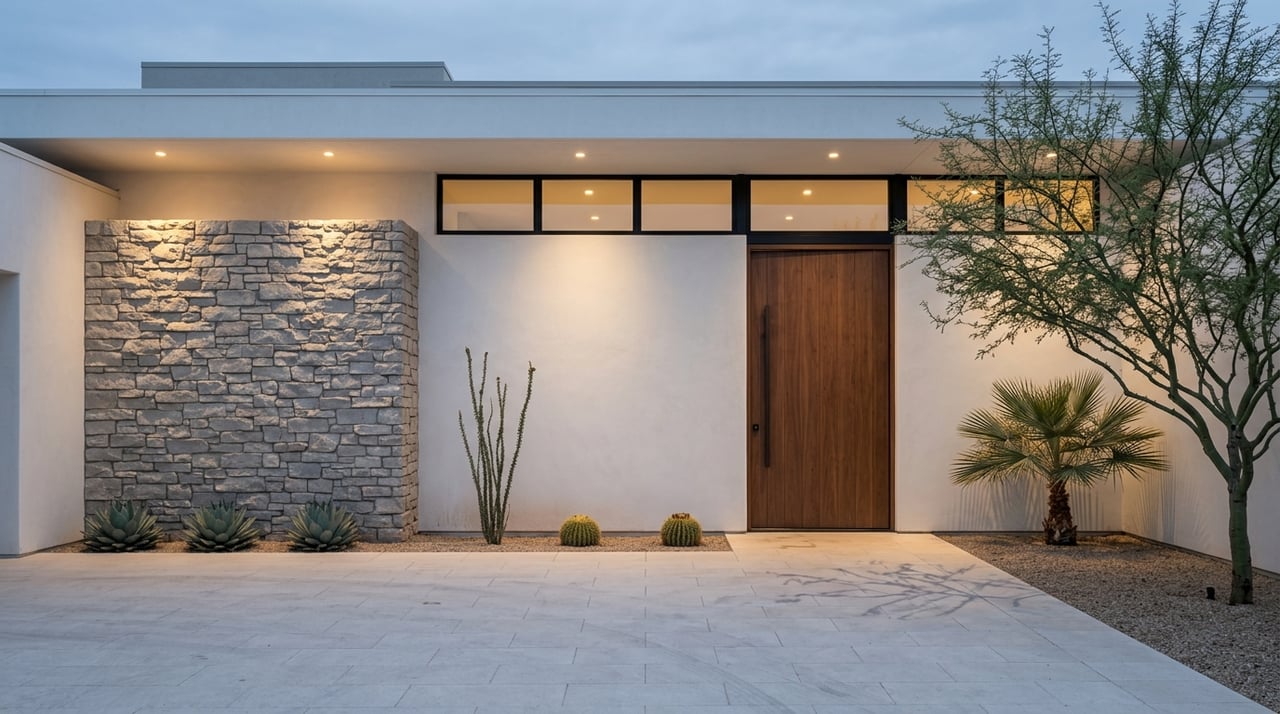
Selling a Paradise Valley Estate With a Confidential Strategy
June 25, 2026
June 25, 2026
Privacy matters more than ever when you are preparing to sell a high-value home in Paradise Valley. You may want to protect your household routine, limit unnecessary attention, and control how your property is introduced to the market. The good news is that a confidential sale is possible, but it works best when you understand what can be kept private, what must still be disclosed, and how to build a smart plan from the start. Let’s dive in.
Paradise Valley has long been defined by large parcels, primarily single-family residential development, and a quiet residential character. The town reports about 15.4 square miles and a 2025 estimated population of 12,774, which helps explain why discretion often feels natural in this market.
For many estate owners, confidentiality is less about secrecy and more about control. In a setting like Paradise Valley, you may want to limit foot traffic, protect personal privacy, and keep marketing targeted while still pursuing a strong sale outcome.
That said, confidential does not mean invisible forever. Maricopa County records documents required by law, and those filings become public record.
The most accurate way to think about a confidential sale is controlled exposure. You can limit who sees the home, when marketing begins, which media are public, and how showings are handled.
What you cannot do is avoid legal disclosures, ignore MLS rules, or stop required recorded documents from becoming part of the public record. A well-run confidential sale protects your interests by managing the process carefully, not by promising total secrecy.
In the Paradise Valley and Scottsdale area, ARMLS provides two main paths for sellers who want a more discreet launch.
An Office Exclusive listing allows the seller to direct that the property not be disseminated through the MLS and not be publicly marketed. This path requires a signed exempt-listing disclosure confirming that you understand the MLS benefits you are choosing to waive.
This can work well if your priority is minimizing visibility while testing interest through a tightly controlled approach. It is often a fit for sellers who value discretion over broad public exposure in the early stage.
A Coming Soon listing is different. ARMLS allows this status to delay public marketing through IDX and public portal syndication for up to 30 days while the listing is still filed with the MLS.
Like Office Exclusive, it also requires a signed exempt-listing disclosure. This option can be useful if you need time to complete final preparation while still putting a formal structure around the launch.
Once a property is marketed to the public, the listing broker must submit it to the MLS within one business day under Clear Cooperation rules. ARMLS treats public marketing broadly, including yard signs, public websites, email blasts, flyers in windows, and applications available to the general public.
That means confidentiality has to be designed into the strategy from day one. You cannot market broadly first and decide later that the property should stay off the MLS.
For an estate sale, the right time to create a confidential plan is before photography, showings, or outside communication begin. This is where a white-glove process matters most.
A controlled sale usually needs one point of contact, clear internal procedures, and careful review of each step. That includes how the property is described, who receives information, what media are produced, and how inquiries are screened.
For a property of this level, the process should be as polished as the presentation. That is especially important in Paradise Valley, where privacy expectations are often high and homes may have staff, security systems, gated access, or multiple vendors involved.
A discreet sale does not remove normal seller disclosure duties in Arizona. The Arizona Department of Real Estate states that every buyer should receive a SPDS, and a seller who knows of facts materially affecting value that are not readily observable has a duty to disclose them.
For that reason, one of the smartest moves you can make is assembling the file early. When your paperwork is ready before active showings begin, you reduce friction, strengthen buyer confidence, and avoid last-minute surprises.
Depending on the property, your pre-listing file may include:
ADRE also flags items buyers should investigate, including airport disclosure, flood and floodplain review, expansive soils, and termite history. In a confidential sale, having these details organized early helps keep the process efficient and professional.
If your Paradise Valley estate is part of an HOA, Arizona law requires association resale disclosure information under A.R.S. § 33-1806. That disclosure includes items such as assessments and litigation, and the association may charge up to $400 to prepare and deliver the resale packet.
Because HOA document timing can affect your transaction calendar, it is wise to request these materials early. In a discreet sale, delays are especially frustrating because the buyer pool may be intentionally small and highly qualified.
If the property involves unincorporated acreage or a parcel split, A.R.S. § 33-422 may require an affidavit of disclosure at least seven days before transfer. The law also gives the buyer a five-day rescission right, and the county recorder does not verify the affidavit’s accuracy.
This is a good example of why legal and contract fluency matter in high-value transactions. The right preparation can help you avoid timing issues and reduce the risk of disruption later in escrow.
Confidential showings work best when access is appointment-only and buyers are pre-vetted. In practice, this means you set expectations early and keep communication tightly managed.
For many estate sellers, that also means coordinating with household staff, assistants, security personnel, and service vendors. When everyone uses the same approved communication channel, you are far less likely to have accidental disclosures or inconsistent showing procedures.
A strong confidential-sale workflow often includes:
If the home needs to go dark between phases, ARMLS says Temporarily Off Market can satisfy the submission requirement when the seller has given written permission. That can be useful when you need a pause for travel schedules, security reasons, or property preparation.
Luxury marketing is often visual, but confidentiality requires careful choices about what becomes public and when. ARMLS allows listing media to be marked Public, Private, or Private While Off-Market, which can help separate the MLS file from what is broadly visible.
Private media remains visible only in ARMLS, although ARMLS notes that the primary photo must remain public. For sellers who want premium presentation without full exposure, this can be a valuable tool.
The goal is not simply to create beautiful content. It is to create the right content for the phase of the sale.
For example, you may choose to begin with limited visuals, interior highlights that avoid sensitive personal details, or a phased release plan that expands only if needed. In this kind of sale, media should serve the confidentiality plan, not work against it.
If drone or aerial content is part of the marketing strategy, the operator should be FAA-compliant. For commercial drone use, Part 107 requires a Remote Pilot Certificate, and registered drones must comply with Remote ID.
That matters because a luxury estate deserves polished execution at every level. Aerial footage can be powerful in Paradise Valley, but it should be produced with professionalism and compliance in mind.
A confidential posture cannot be created through MLS remarks alone. ARMLS states that public remarks cannot contain gate, lockbox, or alarm codes, open-house or showing information, or contact details.
That means operational discipline matters more than clever wording. The listing setup, communication process, and showing controls must all support your privacy goals.
It is also worth remembering that if you later decide to broaden exposure, Arizona law makes some sign restrictions unenforceable. Under A.R.S. § 33-441, covenant restrictions cannot be used to prohibit a for-sale sign on the property.
In a high-stakes estate transaction, privacy and process go hand in hand. The broker’s role is not just to market the home, but to manage documents, review advertising, coordinate timing, and protect your interests with a disciplined strategy.
That is especially important in a market like Paradise Valley, where sellers often expect white-glove service and a calm, low-friction experience. A confidential sale should feel measured and intentional from the first planning meeting through closing.
When you pair thoughtful preparation with controlled exposure, you give yourself the best chance to protect privacy while still positioning the property for a strong result. If you are considering a discreet estate sale in Paradise Valley, a tailored plan can make all the difference. To schedule a confidential consultation, connect with Allison Cahill.



Detail-oriented, Cahill has a passion for studying the market and educating clients about current conditions, inventory and trends. “I take my time with each client and listen to what they want,” she says. “My sellers like that I truly market their properties on all social media platforms and print publications, with the use of not only photography, but also video, drone and 3D-style tours of their homes.”