North Scottsdale Golf Communities vs Desert Estates
June 4, 2026
June 4, 2026
If you are deciding between a golf community and a desert estate in North Scottsdale, you are really choosing between two different ways of living. In 85255, both options can be luxurious, private, and close to everything that draws buyers to this part of Scottsdale, but the day-to-day experience can feel very different. Understanding how amenities, lot size, HOA rules, and long-term ownership costs compare can help you buy with more confidence. Let’s dive in.
In North Scottsdale, golf communities and desert estates often attract the same buyer at the start of the search. You may want views, privacy, strong design, and easy access to trails, dining, and shopping. The difference is how those priorities are packaged.
Golf communities tend to center around shared amenities and a more structured neighborhood environment. Desert estates usually offer larger lots, more separation between homes, and a greater sense of independence. In 85255, Grayhawk and Troon Country Club are useful golf-oriented examples, while Pinnacle Peak Estates I and II help illustrate the estate model.
Grayhawk shows what a large amenity-rich community can look like. According to the association, it spans 1,615 acres, includes just under 3,800 homes, and contains 31 neighborhoods. Its dues support greenbelts, trails, pocket parks, 24-hour roving patrol, management, utilities, and reserves.
On the estate side, Pinnacle Peak Estates II describes itself as a subdivision of ranch homes on spacious lots, with formal guidance for setbacks, native plants, and exterior improvements. Pinnacle Peak Estates I is a smaller HOA with 51 homeowners. Scottsdale permit records also show a Pinnacle Peak Estates Unit Two lot at 43,560 square feet, which gives you a real example of the larger-lot format many estate buyers want.
If you want a neighborhood that feels connected and active, a golf community may be the better fit. These communities are often designed around shared spaces, organized amenities, and a lifestyle that extends beyond the front door. That can be especially appealing if you want convenience and a built-in social rhythm.
In Grayhawk, owners benefit from trails, parks, and community services funded through association dues. Grayhawk Golf Club adds two 18-hole championship courses and a large clubhouse and restaurant complex. DC Ranch is another master-planned North Scottsdale example, covering 4,400 acres with 26 neighborhoods and a Country Club village tied to golf.
Troon Country Club highlights a slightly different model. The club emphasizes golf, a wellness center, lap pool, tennis, pickleball, bocce, dining, valet-style service, and a full social calendar. However, club access is not automatically bundled into homeownership, so buyers need to evaluate both the home and the separate membership decision.
Buyers who choose golf communities often value:
That convenience usually comes with more shared-space rules and a more layered ownership structure. You may have master-planned dues, sub-association dues, and in some cases separate club costs. You are also buying into a neighborhood where more people may move through the community for amenities, events, or golf-related activity.
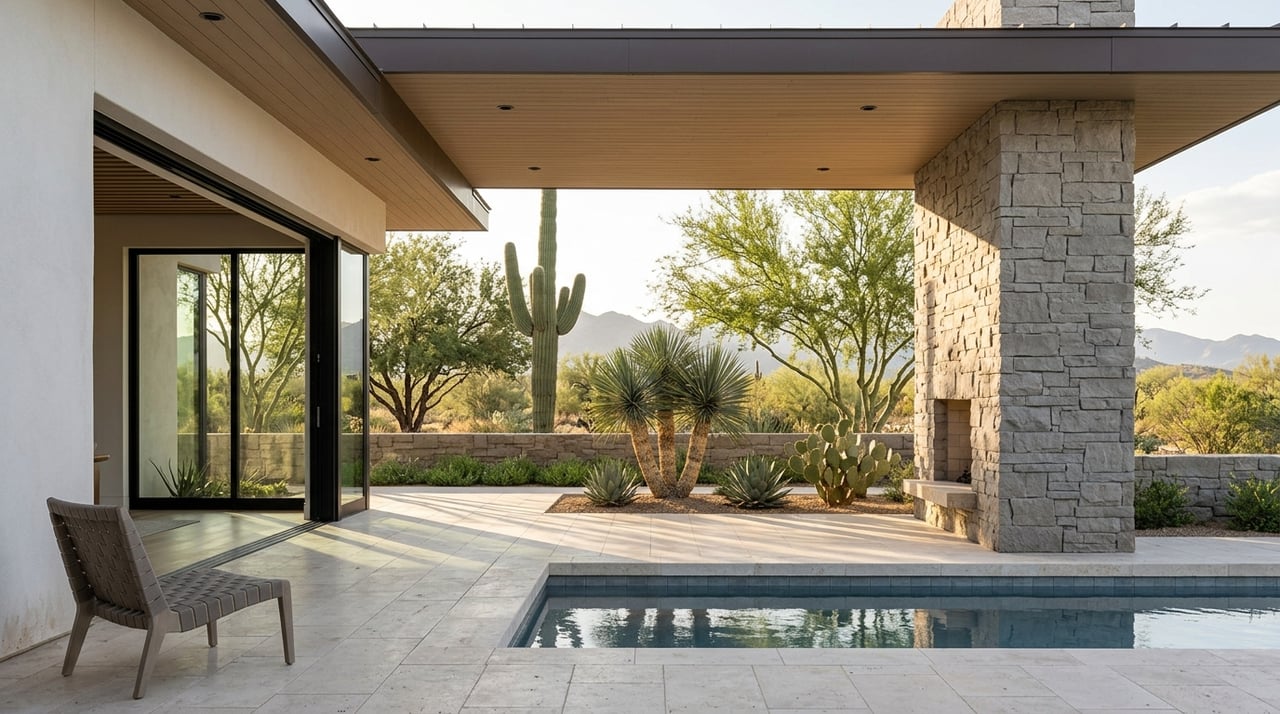
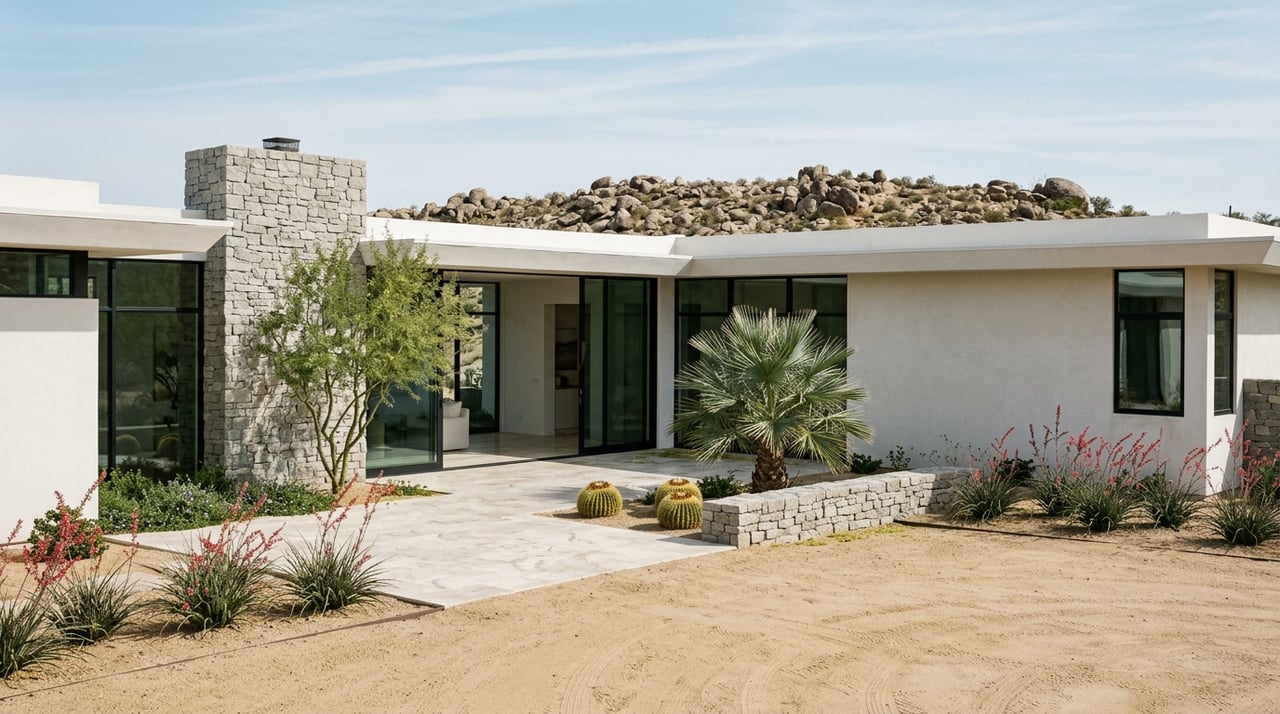
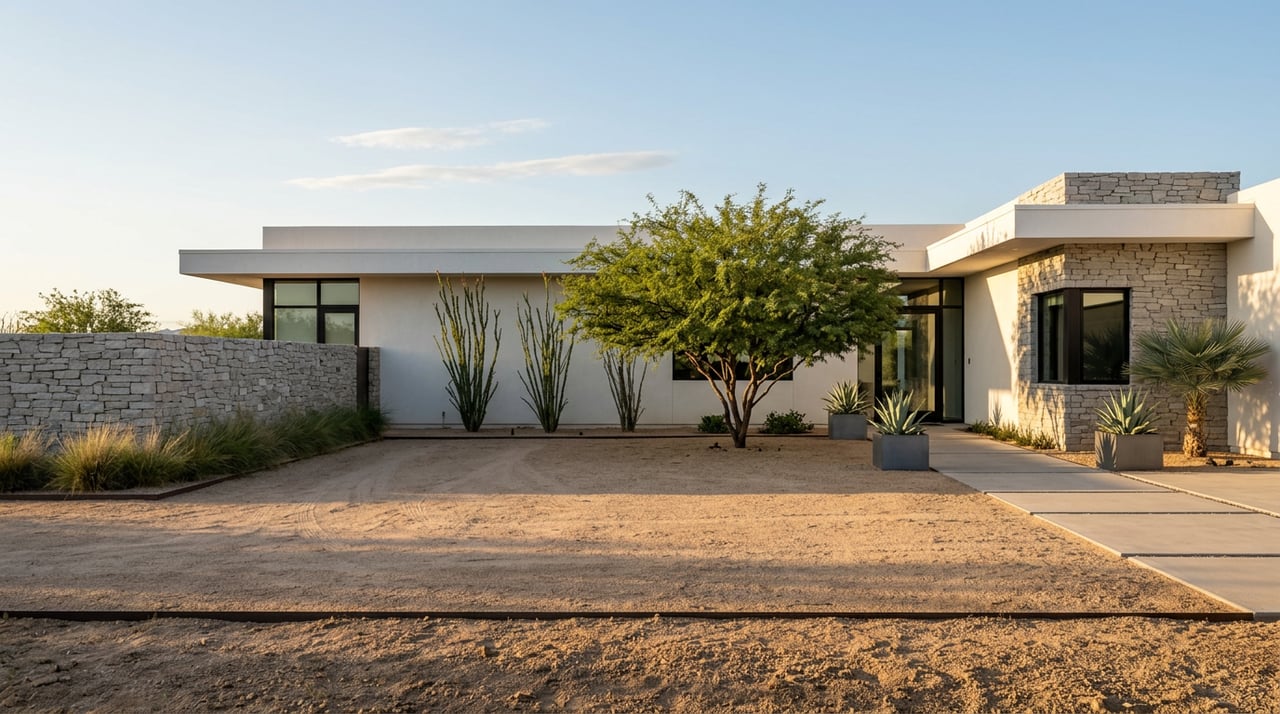
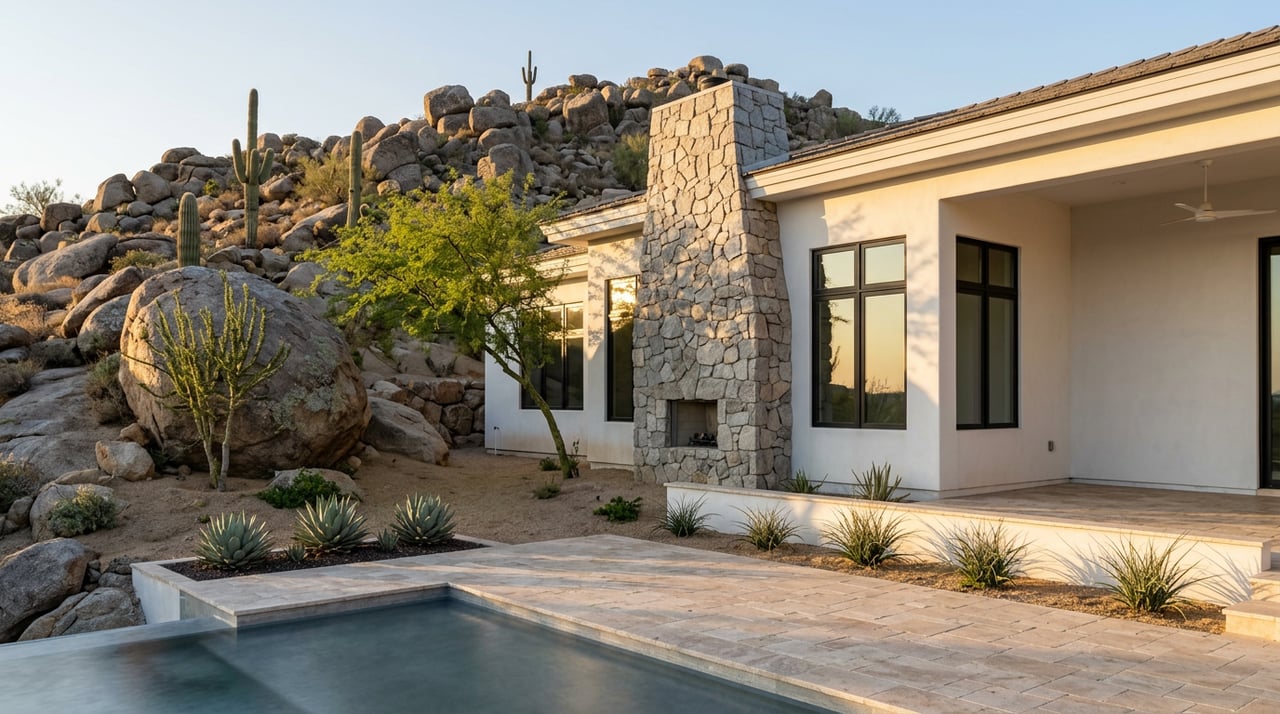
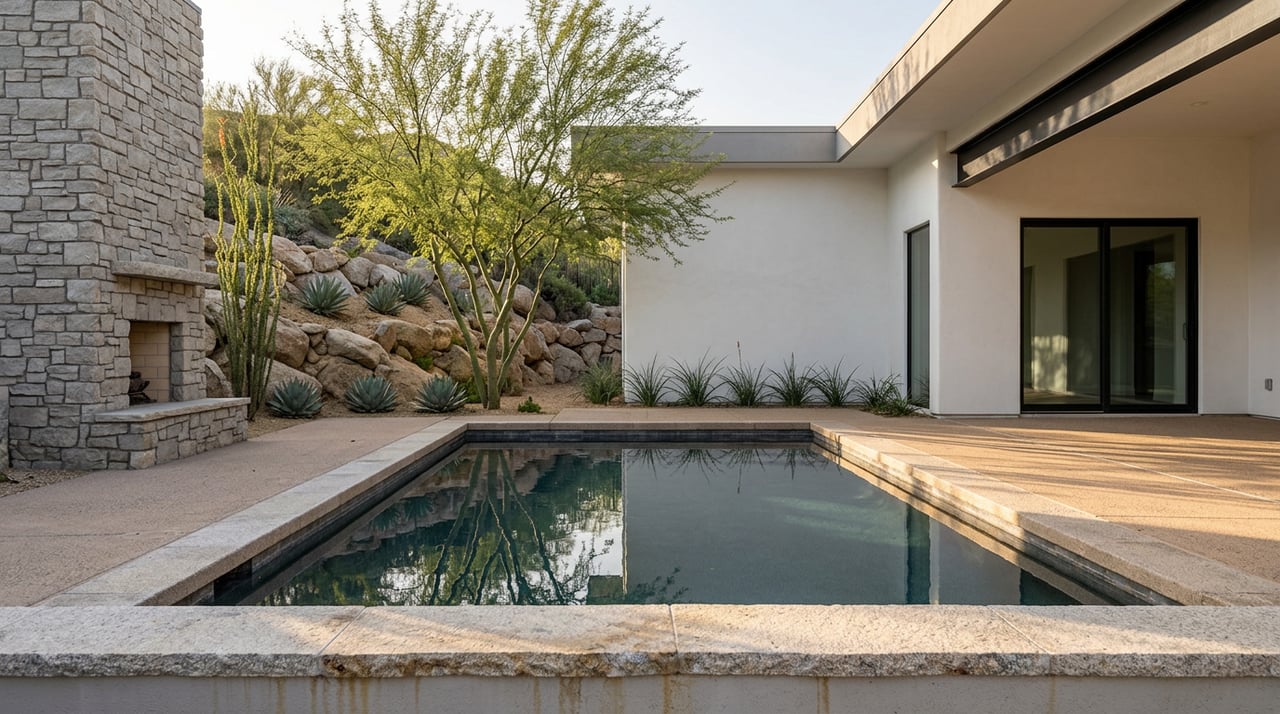
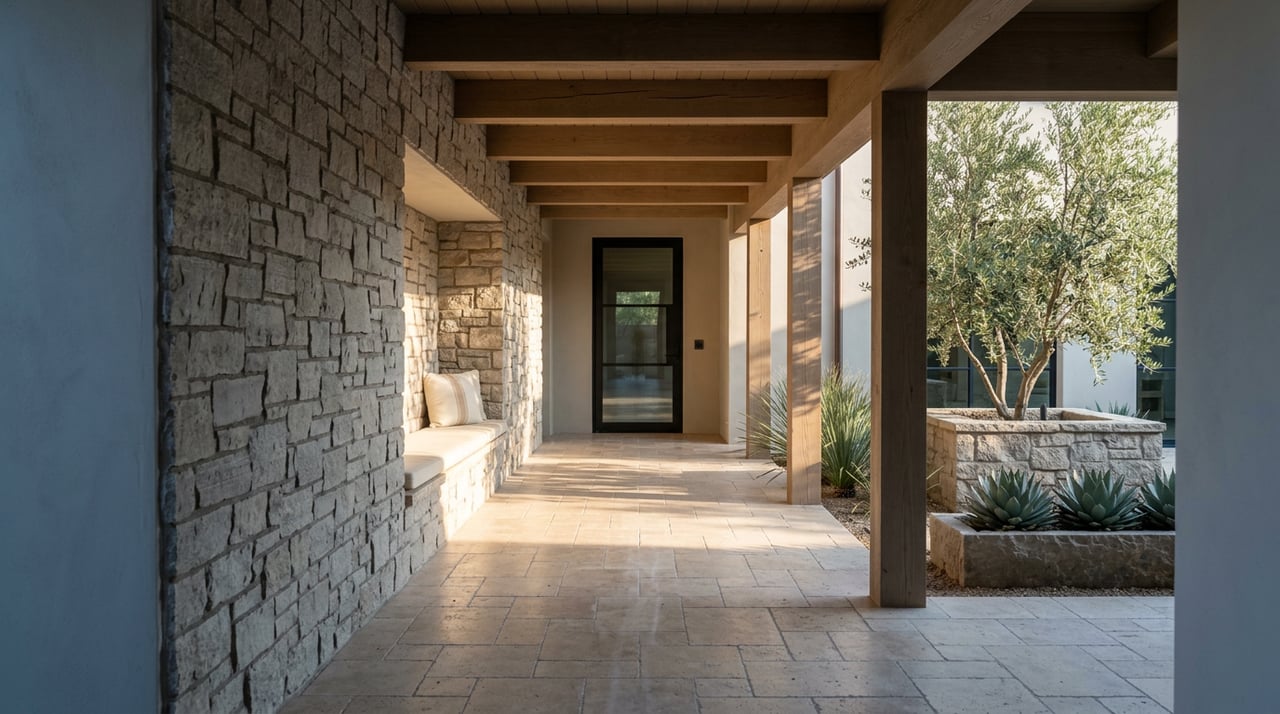
If your priority is separation and flexibility, a desert estate may feel more natural. In these neighborhoods, the appeal is often less about shared programming and more about the land, the home itself, and the freedom that comes with a lower-intensity setting. For many luxury buyers, that tradeoff is worth it.
Desert estates often appeal to buyers who want:
Pinnacle Peak Estates II reflects this approach. The HOA materials emphasize spacious lots, subdivision maps, setback maps, native-plant guidance, and architectural approval procedures for exterior changes. That tells you the neighborhood still has rules, but the rules are more focused on preserving the built environment than supporting a club-centered lifestyle.
One common misconception is that estate neighborhoods are always HOA-light or rule-free. In Arizona, that is not something you should assume. Even in non-golf estate communities, buyers should expect CC&Rs, architectural standards, and transfer paperwork.
The Arizona Department of Real Estate advises buyers in planned communities to review the Public Report before signing, along with the declaration, bylaws, assessments, reserve information, and related disclosures. ADRE also notes that CC&Rs can restrict things like landscaping, RV parking, play equipment, and satellite antennas. That matters in both golf communities and estate subdivisions.
In 85255, the comparison is not only golf versus no golf. Many buyers also weigh golf-club access against proximity to open desert and trails. Depending on your routine, the preserve may matter just as much as the clubhouse.
Scottsdale’s McDowell Sonoran Preserve includes more than 30,500 acres of permanently protected desert habitat and more than 200 miles of trails. The city lists both Gateway Trailhead and Tom’s Thumb Trailhead in 85255. If your ideal morning starts with hiking, mountain views, or direct access to Sonoran desert scenery, that can shift the equation in favor of a desert estate or a golf community near trail access.
When buyers compare these two ownership models, monthly and annual carrying costs deserve close attention. The numbers can vary a lot from one neighborhood to another, even within the same zip code. A home’s purchase price only tells part of the story.
Grayhawk’s 2026 assessment packet shows $1,140 in annual master dues, with additional village or sub-association charges in some areas. The same packet also shows a Community Enhancement Fund collected at closing equal to 0.5% of the sales price for the master association, plus a separate Retreat Village charge where applicable.
DC Ranch’s 2025 budget also shows layered monthly assessments. In the Country Club village, the total Ranch Assessment was $325.85 per month, while some neighborhoods were higher, including a sample total of $690.80 per month for Market Street Villas. These examples show why buyers should ask for a full breakdown instead of relying on one HOA number.
Troon Country Club is a good example of a community where the club is its own financial decision. Membership is organized through non-equity categories, including Premier Full Golf and Signature Sport and Social memberships. That means you can own nearby without automatically joining, but if you want the full club experience, you need to budget for that separately.
Desert estates are not automatically lower cost just because they have fewer shared amenities. You may still have HOA dues, architectural review procedures, transfer fees, and property-specific upkeep tied to a larger lot. The cost structure is often different, not necessarily simpler.
Arizona law adds another practical point. Associations can generally charge up to $400 for resale disclosure, lien estoppel, and related transfer services, with additional rush and update fees allowed within statutory limits. Assessment increases above 20% generally require member approval unless community documents set a lower limit.
Many buyers ask whether a golf home carries a built-in premium. The short answer is that there is no universal rule. Research cited in the report shows that golf-course premiums vary by course and context, and golf adjacency does not automatically guarantee higher value.
In practice, North Scottsdale resale tends to depend more on the features buyers consistently care about. View quality, lot orientation, privacy, and the ease or friction of ownership rules often matter more than a broad label like golf or estate. A home on a beautiful, stable golf setting may be highly desirable, but a well-sited desert estate with space and strong views can be just as compelling.
There is also a buyer-pool question. Golf-course homes may attract a more lifestyle-specific buyer, while desert estates may appeal to buyers who prioritize land, privacy, and fewer shared amenities. That does not make one better than the other, but it does affect marketability depending on the property and the moment.
If you are choosing between these two paths in 85255, start with your daily routine rather than the listing photos. The right answer usually comes from how you want to live, not just how you want the home to look. A clear framework can make the search much easier.
For many relocating executives, second-home buyers, and high-end local movers, this is one of the most important early decisions in the North Scottsdale search. Once you know whether you want a club-centered environment or a more private desert enclave, the shortlist becomes much more focused.
If you want clear guidance on the tradeoffs between golf communities and desert estates in North Scottsdale, working with an advisor who understands neighborhood structures, disclosure details, and ownership friction can save time and reduce risk. For a confidential consultation, connect with Allison Cahill.
Detail-oriented, Cahill has a passion for studying the market and educating clients about current conditions, inventory and trends. “I take my time with each client and listen to what they want,” she says. “My sellers like that I truly market their properties on all social media platforms and print publications, with the use of not only photography, but also video, drone and 3D-style tours of their homes.”